
Interwar Lithuania in Postcards (Virtual Exhibition)
At the end of the 19th century and in the first half of the 20th century, when letters still smelled of ink and news travelled for days or even weeks, postcards became perhaps the most attractive means of communication. They were sent without envelopes – short, but open and sincere.
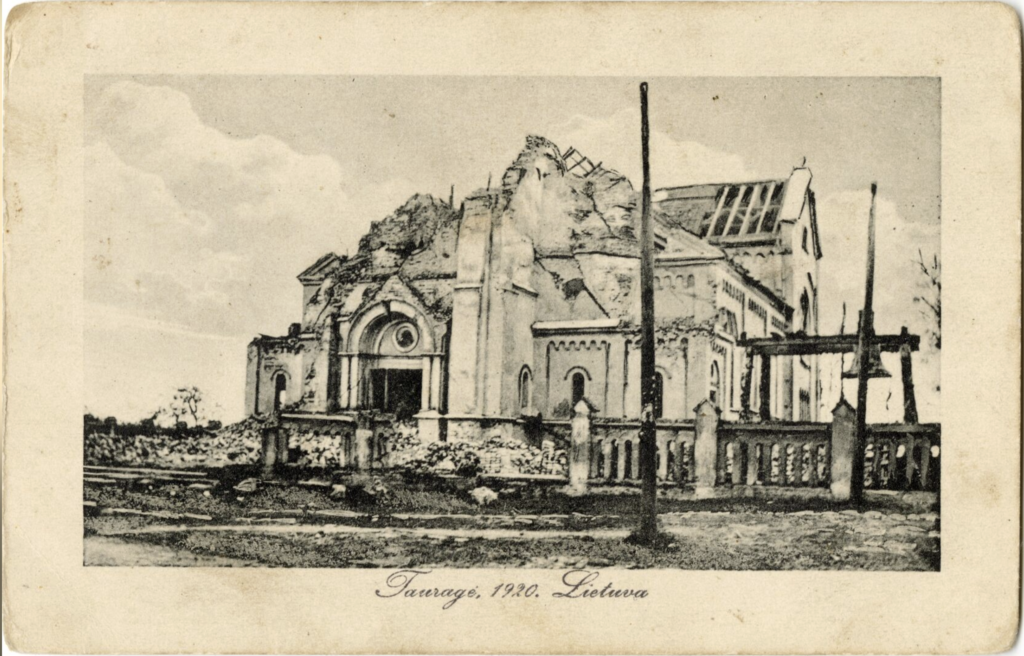
After Lithuania regained its independence in 1918, postcards also gained symbolic power: they became a living testimony to the everyday life of the emerging state, cities, and people. The extensive collection of postcards and postcards stored in the collections of the Samogitian Museum "Alka" allows us to learn about the past. They depict the streets of the temporary capital Kaunas, the dunes of Palanga, the sand dunes of Nida, hillforts, prayer houses, and rest houses. Each image is like a window into the history, culture, and urban landscape of the country.
The inscriptions on the back of the postcards are no less eloquent. They contain fragments of life and greetings, handwriting, addresses, postmarks...
The virtual exhibition "Interwar Lithuania in Postcards" presents part of the collection of images of Lithuania collected by local historian Konstantinas Bružas (1912–2005) from the residents of Žemaičių Kalvarija between 1920 and 1940. The postcards were published by J. Jasvoinas Publishing House in Kaunas (1926–1930),
Published : October 28, 2025